

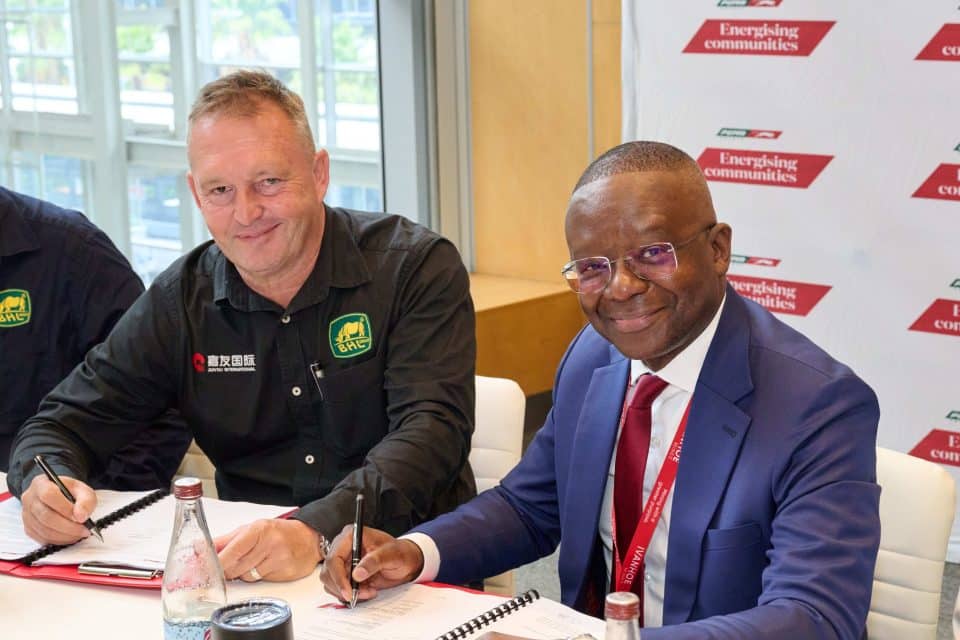
Puma Energy Zambia and BHL Group have signed a historic five-year-term fuel logistics contract that is bound to make the transport highly efficient and boost the Zambia-Namibia trade corridor. The strategic partnership aims at maximizing the cross-border fuel transportation and enhancing the reliability of the supply chain to the most important sectors of the economy of Zambia, especially the mining, industrial, and retail sectors. Through the benefit of the developed logistic networks and the implementation of a more coordinated two-way freight pattern, the agreement is an important advance in the integration of transport in the region.
In the agreement, BHL Group will assume the responsibility of ferrying the fuel of Puma Energy in the Port of Walvis Bay in Namibia to Solwezi and other large distribution centers in Zambia. Walvis Bay is gradually becoming a difficult entry point for imports and exports of the southern part of Africa, which provides a good alternative route for landlocked countries like Zambia. Increasing the strength of this corridor, the partnership allows to increase the diversification of routes and minimize its dependence on traditional supply lines, which leads to increased fuel security and efficiency of transit.
One aspect of the agreement is that it aims at maximization of asset utilization by using a backhaul logistics model. BHL Group, the largest copper exporter hauler of the nation of Zambia, will carry fuel into Zambia and will use the reverse direction of the trip to ship copper exports back to Walvis Bay. This two-way system is streamlined and it eradicates dead run trips, decreases the total cost of transportation, decreases the amount of fuel consumed with each tonne of transport, and maximizes the productivity of the fleet. Not only does the approach serve a interests of the two companies in question, but it argues in favor of the greater efficacy of trade in one of the most significant commercial highways of southern Africa.
The agreement is timely as supply chain resiliency and inter-country coordination are becoming key issues to mining, industrial and retail sectors in Zambia. Mining in the Copperbelt and North-Western Province is largely dependent on fuel supply which is reliable and any problem in energy supply will severely affect the output level of production. The partnership builds additional and fortifies the Walvis Bay-Zambia route, which underpins these high-value industries to give them a logistics platform that enables them to conduct their operations at an easier time and with lesser chances of disruption of their supplies.
 The collaboration is also more focused on safety and operational control. A system called In-Vehicle Monitoring System (IVMS) will be implemented on the transport fleet that will allow it to monitor the performance and behavior of the drivers in real time. The technology will improve adherence to safety protocols, encourage responsible driving behaviours and increase the overall fleet management within long-haul mixed-border assignments. The implementation of monitoring systems in an industry where ultimate consideration is on road safety and cargo security shows a sense of responsibility and accountability in the implementation of new and modern logistics operations.
The move is expected to reach a capacity of three million litres of the fuel per month upon commencing the operations in March, which will make the route a major contributor to the national fuel distribution chain in Zambia. In addition to the capacity of volume, the agreement enhances the value of region trade connectivity between Namibia and Zambia. The two companies are developing a model of logistics that facilitates economic growth across the border because of matching the fuel imports with copper export flows.
Having a wide downstream presence in the energy sector, and strong experience in mining and export transportation with BHL Group, alliance is a logical fit between energy supply and transportation capacity. The companies coupled together are also making this partnership a driving force toward smarter transport networks, better supply chains, and greater integration of the region of southern Africa.
