

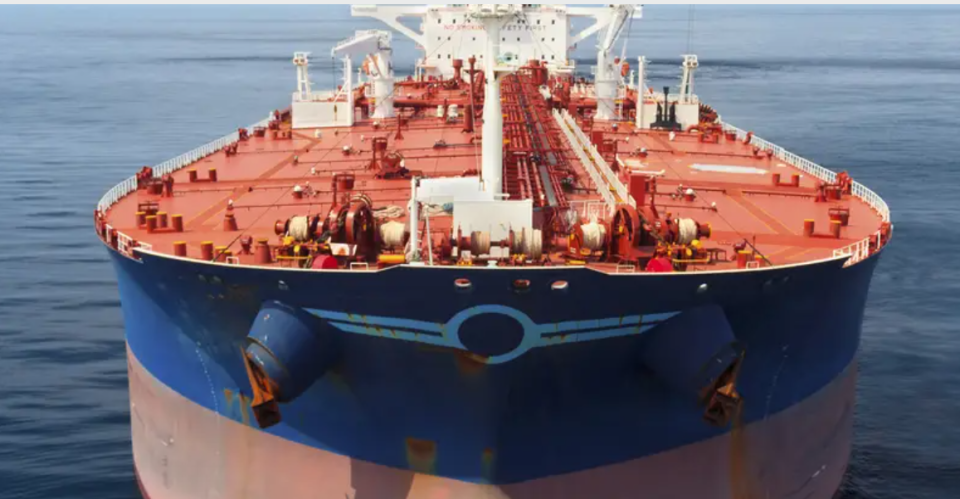


Oil and gas shipping rates have surged, with supertanker costs in the Middle East reaching record levels. This increase follows heightened tensions between the US and Iran after Tehran targeted ships in the Strait of Hormuz. This strait, located between Iran and Oman, is crucial as it carries about one-fifth of the world’s oil and large amounts of liquefied natural gas. Shipping through this area has almost stopped after attacks on vessels caused by Iran’s retaliation against US and Israeli strikes.
The disruptions and concerns about a long-term closure have led to rising oil and gas prices in Europe. Brent crude oil prices rose nearly 10% this week due to the conflict, causing shutdowns in the Middle East.
The freight rate for very large crude carriers (VLCCs) shipping 2 million barrels of oil from the Middle East to China reached an all-time high of W419 on the Worldscale measure, or $423,736 per day. This rate doubled from Friday, building on gains from a six-year high the previous week after a US-Israel attack killed Iran’s Supreme Leader Ayatollah Khamenei.

In response, Iran has attacked Gulf countries, causing precautionary shutdowns at oil and gas facilities in the region. An Iranian Revolutionary Guards official stated that the Strait of Hormuz is closed and that Iran will attack any ship trying to pass. However, the US military’s Central Command said the Strait is not actually closed.
Freight rates for LNG tankers also increased by over 40% yesterday after Qatar halted production. Atlantic rates rose to $61,500 per day, up 43% from Friday, while Pacific rates climbed to $41,000 per day, a 45% increase.

Fraser Carson, an analyst at Wood Mackenzie, predicted that LNG shipping rates could exceed $100,000 this week because of limited supply. He noted that there will be strong competition for any available vessels as operators clear a backlog from February’s weather disruptions. Shipping will remain on hold until safe passage through the Strait of Hormuz is guaranteed. An unnamed oil shipbroker noted that assessing shipping rates in the Gulf is challenging because many shipowners have indefinitely halted operations.
The South Korean shipping company Hyundai Glovis announced it is preparing backup plans, including finding alternative routes and ports, amid the conflict. South Korea’s maritime ministry has advised its shippers not to operate in the Middle East and is planning a meeting to discuss further safety measures after Iran’s threats against passing ships.

