

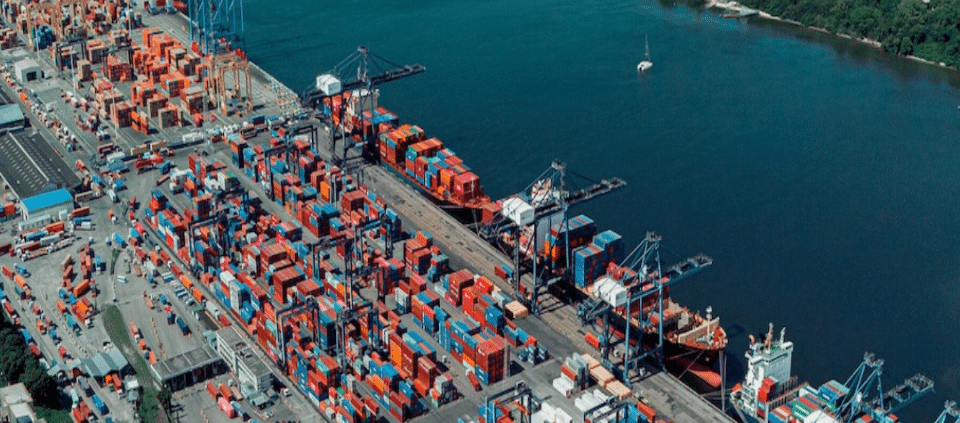


The aim of this project is to reinforce transport and logistics activities at the Port of Dar es Salaam, which is considered one of the most critical maritime gateways within the state of Tanzania and the East African region in general. On 3 March 2026, the president laid the cornerstone for the development of the petroleum storage facilities and referred to the project as a strategic investment aimed at the modernisation of port processes and the resolution of the long-standing issues related to the receipt and storage of fuel.
The project is in the bigger context of the government to entrench the transport and logistics infrastructure of the country, enhance cargo operations, and situate Tanzania as a trading hub in the region. The government claims that the project will help to increase the capacity of the port to handle the petroleum shipments, and it will also help in improving the flow of energy products that are utilized by the industries, businesses, and households in the country.
The new storage facility started its construction in August 2024 and is already approximately 41 percent complete. The authorities anticipate that the project will be completed by February 2027. The government has already paid the contractor and project consultant handling the construction a sum of about 45.7 million US dollars, which is about 117.1 billion of Tanzanian shillings.

When it is finished, the facility will contain 15 modern fuel storage tanks that will have a combined capacity of 378,000 cubic metres. The tanks will contain various products of petroleum, such as 162,000 cubic metre of diesel, 135,000 cubic metre of petrol, and 81,000 cubic metre of Jet A1 aviation fuel. This will greatly increase the capacity of the port to meet the high importation of fuels that will guarantee the growth of Tanzania and countries adjacent to the country that will rely on the port as a source of importation of energy.
Congestion in terms of poor storage and slow movement of cargo is one of the major issues that afflicts the port at the moment. The current average waiting time of oil tankers to discharge cargo is 22 days. The new infrastructure, however, will cut this waiting time to approximately seven days. The quicker unloading will enhance the level of port efficiency as well as decrease the expenses of demurrage that can also go as high as 25,000 dollars per day in circumstances where the ships are not loaded on time.

The government officials believe that the minimization of delays will also contribute to the stabilization of domestic fuel prices. Demurrage fees are usually transferred to consumers in terms of raising fuel prices, which implies that the effect of the increased logistics efficiency can directly affect the economy of a country.
According to President Hassan, the continued port sector reforms that involve the further involvement of the private sector have already enhanced the capacity of the cargo handling and increased the government revenue. She had also instructed the Ministry of Energy to make the national strategic petroleum reserves in Tanzania stronger to enable the country to cushion itself against the unpredictability of the world oil markets.
Even the government is making efforts to incorporate the operations of the port with other transport infrastructure, according to Transport Minister Makame Mbarawa. This also incorporates the connection of the port to the Standard Gauge Railway that will soon start moving cargo between Dodoma and Dar es Salaam. Moreover, new dry ports are also being built in Morogoro, Dodoma, and Shinyanga to alleviate the pressure on the major seaport and enhance the distribution of cargo throughout the country.


The Tanzania Ports Authority has undertaken the implementation of the project as part of the Port Master Plan within the country. According to the officials, the investment will boost logistic capacity in Tanzania, attract more shipping lines, boost the volumes of trade, and reinforce the position of the country as a major transport and logistics centre in East Africa and to a number of neighbouring countries that are landlocked.

