



Image: Somika
The expansion of mining activity and the rise of domestic mineral processing in the Democratic Republic of the Congo (DRC) will create a new freight opportunity in the Walvis Bay-Ndola-Lubumbashi Development Corridor (WBNLDC), which will see mining companies looking for reliable routes to move both imports and exports at cost-effective prices.
Walvis Bay Corridor Group (WBCG) business development manager for the DRC, Jen Mbayo, said that the country is evolving its logistics needs due to the growth of local mineral processing. Increased domestic processing of minerals, rather than exporting minerals as concentrates, is causing an increase in the movement of production inputs, including sulphur, mining chemicals, equipment and industrial consumables.

Meanwhile, the expansion of the domestic processing industry is generating new flows of cargo for logistics service providers transporting mineral products to the regional and international markets.
WBCG is continuing to strengthen its links with the DRC mining industry, including in the provinces of Haut-Katanga, Lualaba and Tanganyika. The organisation is collaborating with stakeholders in the mining supply chain, such as mining companies, freight forwarders, transporters, clearing agents and other supply chain stakeholders to support the use of the WBNLDC as an alternative trade route for mining-related cargo.

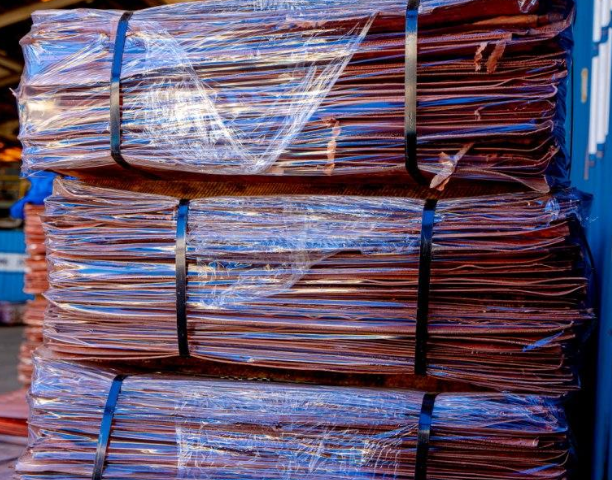
Rising copper production, continued copper exploration and investment in the industry are already keeping freight volumes on the corridor going. Increased demand for strategic minerals such as cobalt, zinc and lithium is likely to drive further growth in road freight and rail services, warehousing, clearing and other logistics solutions.
The expansion also has motivated the mining companies and logistics firms to diversify their transport routes. As more and more businesses seek to expand beyond the traditional corridors for solutions that offer greater supply chain resilience, lower congestion, and greater reliability and cargo security, they are looking beyond traditional corridors.
This transformation is bringing opportunities for the WBNLDC, especially with shippers looking for an alternative that provides competitive transit and transport rates. The use of multimodal means is also becoming an increasingly key element of the corridor’s future, as the possibility of combining rail and road transport comes to the fore, offering potential to further optimize the transport processes and to accommodate higher mining volumes.


Mbayo emphasized the Walvis Bay-Kambimba-Kolwezi Corridor as a key project to improve connectivity between the DRC mining regions and Walvis Bay port. This would shorten the journey times, increase cargo security, reduce logistics costs, and boost the throughput of cargo through the Namibian port as a result of better connectivity along the route.
The gains will be driven by critical infrastructure development. To overcome the bottlenecks in the movement of mining cargo across the borders, investments will be required in roads, rail connectivity, border facilities, dry ports and One-Stop Border Posts.
Continued growth of the DRC mining industry thus may mean a continued demand for transport capacity and supply chain services for transport operators, freight forwarders and other logistics companies.
The WBNLDC is becoming a valued alternative route for cargo from and bound for DRC, as copper output and domestic mineral processing grow. The rest of the corridor infrastructure, border efficiencies and multimodal connectivity will play a major role in the effectiveness of the corridor in capturing the expanding freight market demand associated with the mining sector.

