

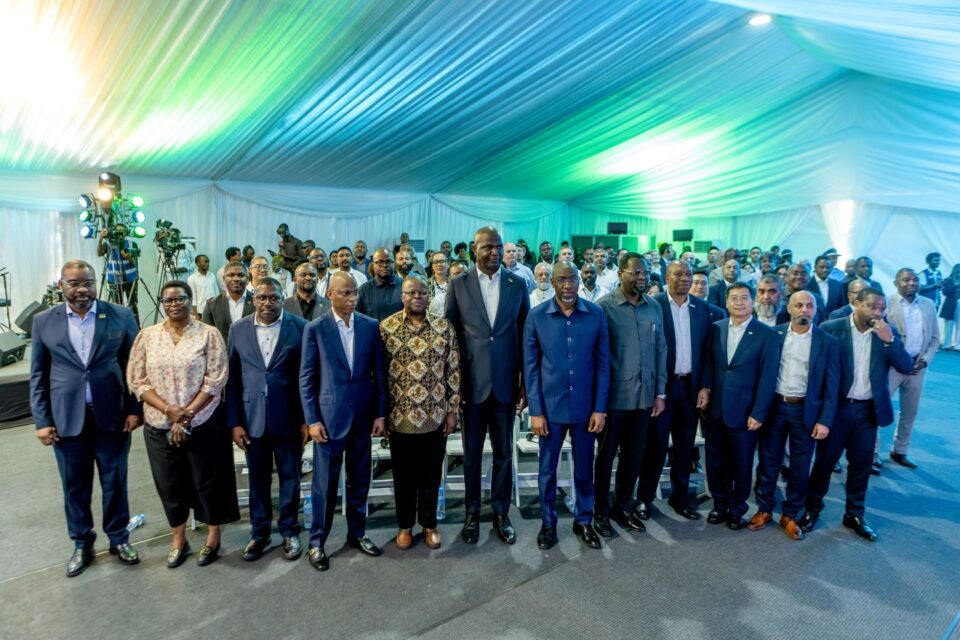


Mozambique has launched a US$150 million dredging project at the Port of Maputo aimed at accommodating larger vessels, improving shipping efficiency, and strengthening Southern Africa’s regional trade corridors.
The project was officially launched on October 12, 2026, in a ceremony attended by President Daniel Francisco Chapo and Transport and Logistics Minister João Jorge Matlombe. It is being undertaken by the Maputo Port Development Company (MPDC), with support from global logistics operator DP World.
The investment will deepen the port’s access channel to 15.3 metres and widen its straight sections from 110 metres to 210 metres, allowing vessels of up to 366 metres in length to access the facility.

The dredging works are expected to take approximately 12 months and involve the removal of 21.2 million cubic metres of material using seven specialized vessels.
Once completed, the improvements are expected to ease navigational constraints, increase the port’s capacity to accommodate larger ships and improve access to international shipping networks.

DP World’s Africa CEO and Managing Director, Mohammed Akoojee, described the project as an important milestone in the company’s partnership with MPDC and its efforts to strengthen regional trade connectivity.
He said the dredging investment, alongside ongoing development of the port’s container terminal, would improve competitiveness and expand Southern Africa’s access to international markets.
The project forms part of a broader modernization programme at Maputo, which is increasingly positioning itself as a strategic maritime gateway for Mozambique and neighboring economies.


DP World’s container terminal expansion targets an annual handling capacity of approximately 650,000 twenty-foot equivalent units (TEUs). Meanwhile, the Matola coal terminal is targeting a capacity of 12 million tonnes, strengthening the port complex’s role in handling bulk commodities.
The developments are expected to improve cargo-handling efficiency and support growing demand from shipping lines, exporters and regional industries.
The investment is also significant for the Maputo Development Corridor, which connects Mozambique’s coastline with major industrial and commercial centres in South Africa, including Gauteng and Mpumalanga.
Eswatini and other neighbouring markets could also benefit from improved maritime access and more efficient cargo movement through the port.
For mining companies, agricultural exporters, manufacturers and freight operators, the ability to accommodate larger vessels could offer additional options for moving goods to international markets. Larger ships can provide economies of scale when carrying substantial cargo volumes, although the overall benefits will depend on shipping demand, terminal efficiency and the performance of connecting road and rail networks.
Improved port access could also strengthen Maputo’s competitiveness against other regional gateways by giving shipping operators greater flexibility in planning cargo movements.
The investment comes as Southern African countries seek to improve transport infrastructure, reduce logistics bottlenecks and strengthen cross-border trade under regional integration initiatives.
MPDC’s concession to develop and operate the Port of Maputo has been extended to 2058, providing a longer investment horizon for infrastructure upgrades and operational improvements.
President Chapo’s presence at the launch highlighted the importance of transport infrastructure in Mozambique’s economic development and its ambitions to attract investment.
For logistics operators, the combination of deeper access channels, expanded container capacity and improved regional connections could create opportunities across freight forwarding, warehousing, road transport and supply-chain services.
The dredging project marks another step in Maputo’s development as a regional trade gateway. Its long-term impact will depend on the timely completion of the works and the port’s ability to translate improved maritime access into more efficient cargo flows.
As the project progresses, Maputo is seeking to strengthen its role in connecting Southern African producers and businesses with international markets.

