

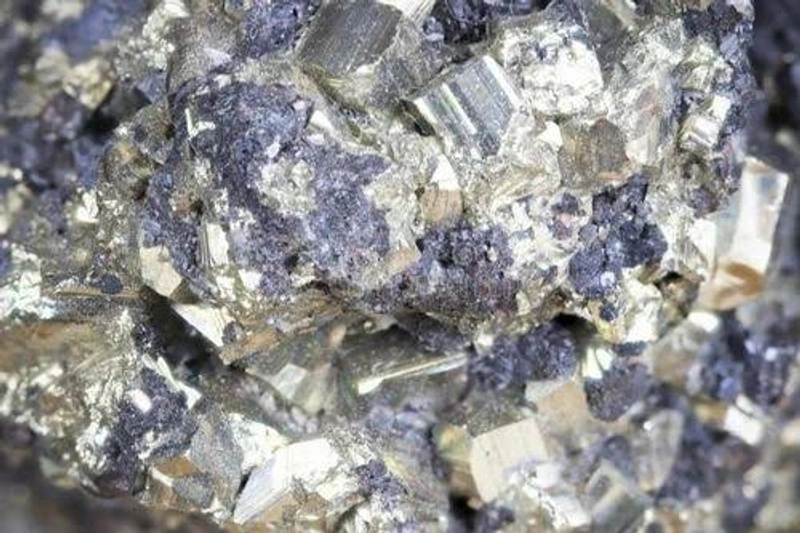


Zimbabwe recently imposed strict rules banning the export of raw lithium, which is expected to significantly affect global supply chains in 2026.
This quick decision shows Zimbabwe’s shift towards controlling its resources and integrating better with international markets. The policy also reflects a broader change in how countries capture value from battery minerals.
As resource nationalism rises in mineral-rich countries, global lithium supply chains are transforming. Zimbabwe’s ban on lithium exports is not just an isolated action; it represents significant changes in how governments manage important resources in a world that relies more on electrification.

The country put limits on unprocessed lithium shipments at the end of February 2026, pushing the timeline forward from January 2027. This move shows Zimbabwe’s goal of earning more by processing lithium rather than just supplying raw materials.
The ban aims to prevent economic leakage. Historically, Zimbabwe has made little profit from extracting lithium, while international companies have made large profits from refining it. In 2025, lithium exports generated $571 million, making it one of Zimbabwe’s top exports, alongside platinum group metals, gold, and diamonds.

Implementation Timeline and Regulatory Mechanisms
The restrictions on lithium exports took effect immediately after Mines Minister Polite Kambamura announced them in the last week of February 2026. This quick enforcement differs from normal processes, which usually allow time for adjustments or gradual changes.
The rapid timeline suggests that either external market conditions influenced the decision or that domestic processing facilities improved more quickly than expected. Industry sources indicate that the ban may allow temporary exemptions for companies committed to building processing plants.


Economic Rationale and Value Addition Strategy
Zimbabwe’s plan focuses on the significant value difference between raw lithium concentrate and processed lithium sulfate. Lithium sulfate is an important product produced from refined concentrate and is used to produce battery-grade lithium.

