

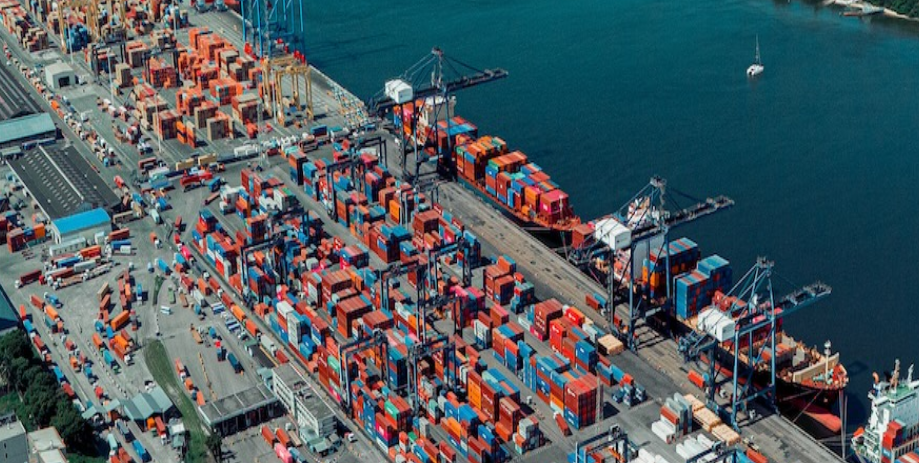


Dar es Salaam has emerged as a critical logistics hub for Zambia, the Democratic Republic of the Congo (DRC), and the broader Copperbelt region. This port serves as an essential conduit for various types of cargo, making it a vital player in regional trade. While discussions about port congestion often dominate conversations, it is important to recognize that delays in the logistics supply chain can occur at multiple points, including vessel scheduling, cargo handling procedures, and customs clearance.
The geographical positioning of Dar es Salaam grants it direct and efficient access to both Zambia and the DRC, presenting a more streamlined alternative to more circuitous southern routes. In recent years, significant infrastructure investments have been made at the port, aimed at bolstering its operational capabilities and meeting the increasing demands of trade in the region.

However, the performance of transit logistics is affected by an array of factors that extend beyond the operations of the port itself. These include:

- Inland Transport Capacity: The capability of transport networks and vehicles to handle the volume of cargo effectively.
- Border Procedures: The efficiency of customs and border control processes that dictate how quickly cargo can cross international lines.
- Regional Disruptions: Events such as political instability, strikes, or natural disasters that can hinder the movement of goods.
Thus, businesses must adopt a holistic approach to assess logistics risks, ensuring they have visibility into the entire logistics network rather than merely concentrating on the performance of port operations.
The efficiency of cargo transport from the point of origin to its final destination hinges on four core stages:


- Vessel Arrivals and Port Operations: Multiple variables can affect how promptly cargo is processed at the port. Weather conditions, adherence to shipping schedules, and the availability of necessary equipment are all factors that can either expedite or delay cargo handling.
- Cargo Release and Evacuation: Many of the delays that occur are not due to port operations but rather stem from issues with customs and documentation. This underscores the necessity for seamless coordination among all stakeholders involved in the supply chain, including shipping companies, customs officials, and logistics providers.
- Inland Transport Corridors: Once cargo leaves the port, its transit performance is significantly governed by the condition of the infrastructure (such as roads and railways), traffic congestion, the reliability of transport equipment, and the regulatory environment governing transport in the region.
- Border Crossings: The border crossing between Tunduma and Nakonde is particularly relevant, as it can dramatically influence transit times. The processing requirements and operational conditions at this border can lead to unpredictable delays, which can have a cascading effect on the entire supply chain.
Given these complexities, businesses are increasingly encouraged to view logistics not as isolated elements but as integrated systems.
– Monitoring and Management: Experienced logistics teams continuously track corridor conditions and logistics performances rather than relying solely on pre-established transit times, allowing them to manage shipments more proactively and respond swiftly to emerging issues.
– Cost Considerations: The true burden of transport delays manifests in costs, which can reverberate throughout the supply chain. Direct costs associated with delays, such as port storage charges, demurrage fees, and additional trucking expenses, can accumulate quickly. Indirect costs may also arise, leading to production disruptions, stock shortages, missed delivery commitments, and increased working capital needs.

– Proactive Planning Strategies: To enhance corridor resilience, businesses should engage in proactive planning to counteract some of the delays that might be encountered:
– Build transit buffers into logistics plans that accommodate the likelihood of delays.
– Secure storage capacity ahead of time to ensure operational flexibility.
– Maintain documentation readiness to mitigate delays during customs clearance.
– Regularly monitor corridor conditions to enhance responsiveness.
– Maintain route flexibility, allowing for quick adaptation when logistic conditions shift.
A thorough understanding of the entire transportation journey, encompassing both port efficiency and inland transport reliability, is imperative for businesses involved in logistics, especially those operating in complex regions such as the Copperbelt. By taking a comprehensive approach, companies can better prepare for and navigate the intricacies of the supply chain, ultimately facilitating smoother and more efficient cargo movements to their destinations.

