

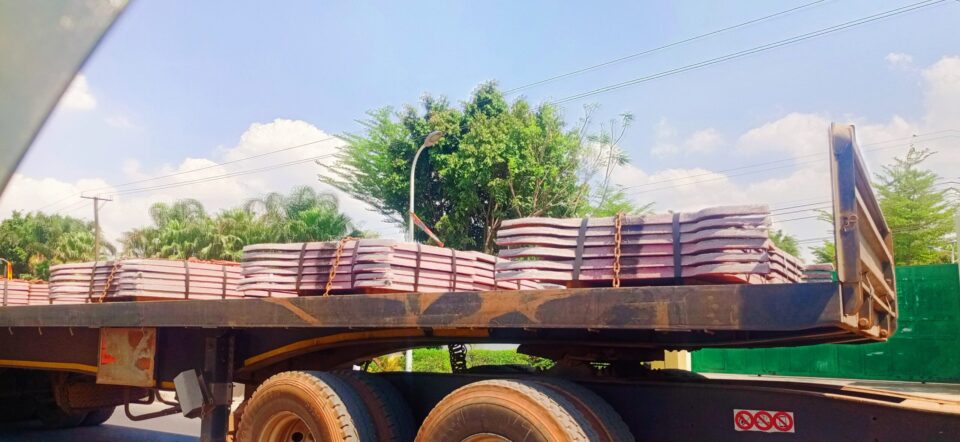


Demand for logistics services in Zambia is growing steadily, driven by several key factors, including rising mining output, an expanding agro-industrial landscape, and Zambia’s advantageous position as a land-linked hub for regional trade. The third-party logistics market in the country is projected to reach a substantial USD 381 million, driven by critical economic sectors and an increasing focus on regional integration.
Mining Operations: The surge in copper production and mineral exports is creating an urgent need for heavy bulk transportation capabilities. This includes ensuring reliable road and rail freight services that can effectively handle the scale of mining operations. Additionally, optimizing cross-border corridors is essential to facilitate the smooth transit of goods to international markets, which is vital for sustaining the growth of this sector.
Agriculture and Cold Chain: The agribusiness sector is witnessing significant development, necessitating dependable transportation and temperature-controlled storage solutions. These systems are crucial for the movement of various agricultural products, including grains, livestock feed, and fresh produce, not just within domestic markets but also across regional borders. Efficient cold chain logistics are essential to minimize spoilage and maintain product quality throughout the supply chain.

Retail and Warehousing: As Zambia’s retail market expands, there is an increasing demand for modern warehousing and distribution solutions. Urban centers are seeing high occupancy rates for warehouse spaces, as retailers ramp up their inventory levels to meet consumer demands. This trend highlights the need for advanced logistics infrastructure that can support efficient inventory management and distribution strategies.
E-commerce and Last-Mile Delivery: The rapid growth of online retail in Zambia is creating a pressing need for efficient fulfillment centers. As more consumers turn to online shopping, the logistics of last-mile delivery have become a critical component of the supply chain. This shift is particularly pronounced in major cities like Lusaka, where responsive courier networks are necessary to ensure timely deliveries and enhance customer satisfaction.

Regional Trade Corridors: Zambia’s integration into regional economic frameworks such as the Southern African Development Community (SADC), the Common Market for Eastern and Southern Africa (COMESA), and the African Continental Free Trade Area (AfCFTA) is driving a significant demand for seamless cross-border transit. This integration necessitates improvements in customs clearance processes and the development of efficient transport corridors, which are vital for enhancing trade flows and supporting Zambia’s economic growth.
The logistics sector in Zambia is evolving rapidly, driven by diverse economic activities and regional trade initiatives. As these sectors continue to grow, the demand for enhanced logistics capabilities will be paramount in ensuring the country can meet both domestic needs and international trade commitments effectively.

