

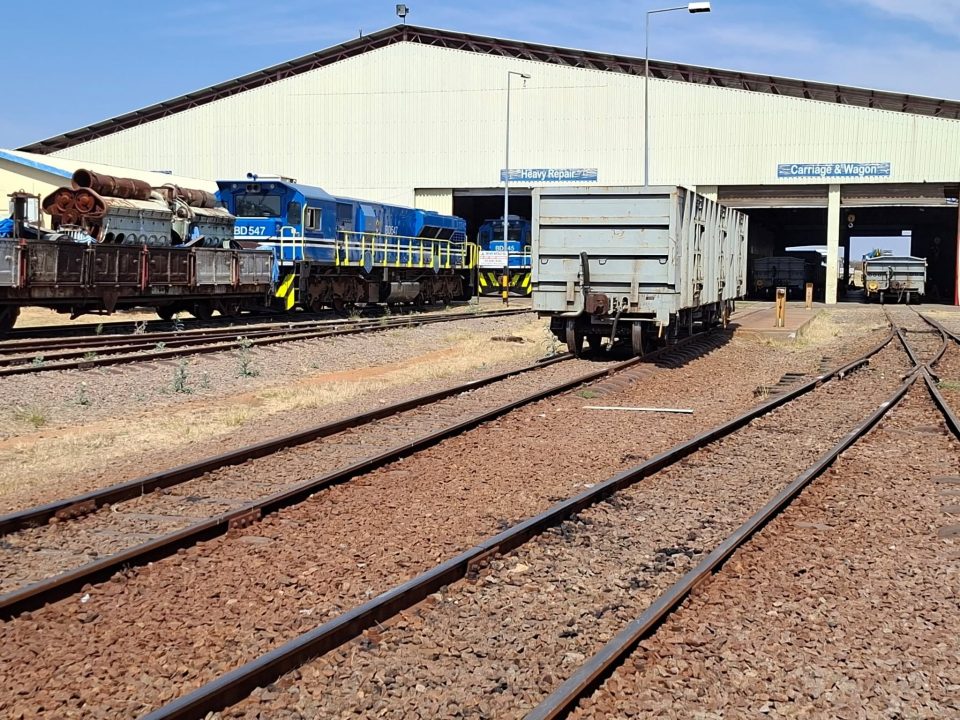


Botswana Railways (BR) is making significant strides in enhancing its operational capacity while simultaneously bolstering Botswana’s mining and logistics sectors through a strategic and innovative partnership with Ntokoto Holdings. This collaboration has been established via a Special Purpose Vehicle (SPV), specifically designed to address and satisfy the rising logistics needs associated with the Morupule Coal Mine (MCM), one of the country’s key economic drivers.
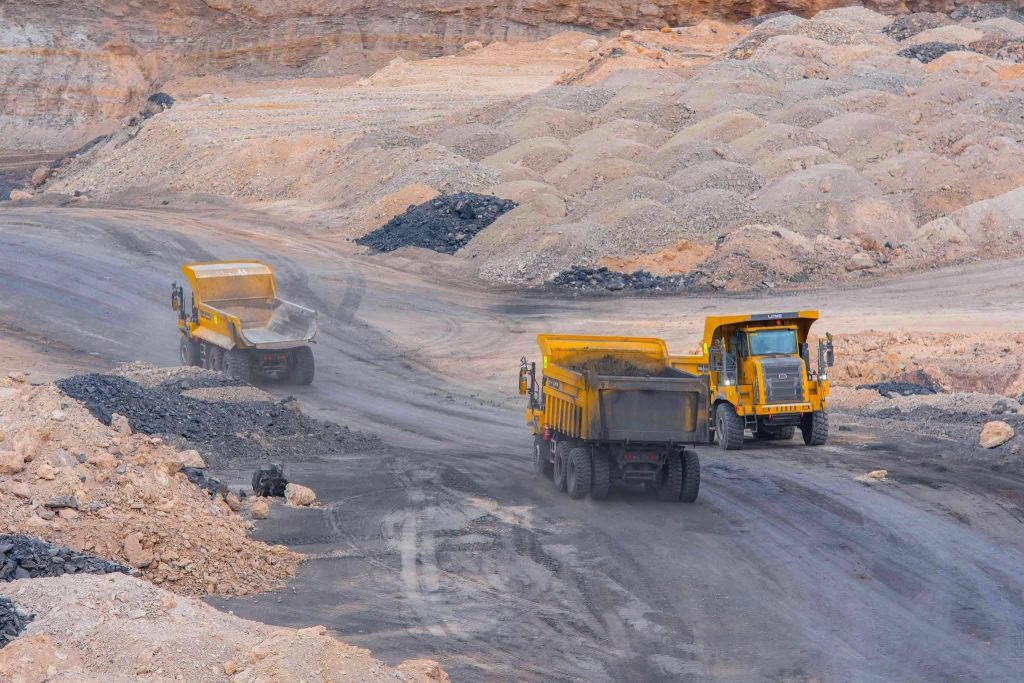
The partnership is a vital component of BR’s comprehensive transformation and recapitalization agenda, which aims to modernize rail services, improve efficiency, and adapt to the evolving landscape of freight transportation in Botswana. Currently, MCM relies heavily on road transport, with a limited portion of its coal production being conveyed via rail. However, as MCM seeks to expand its production capabilities and explore new market opportunities, BR is committed to progressively increasing the proportion of coal transported by rail. This shift is essential not just for MCM’s growth but also for enhancing the overall efficiency of logistics within the region.

The collaboration with Ntokoto Holdings is poised to significantly augment BR’s existing capacity by tapping into the expertise, investment, and agility of the private sector, while BR will continue to maintain ownership of its rail infrastructure and leverage its operational expertise along with pre-established relationships with MCM. This synergy not only promises to enhance service delivery and operational efficiency but also aligns closely with national objectives focused on empowering citizens economically.

Morupule Coal Mine has already made substantial contributions to citizen-led businesses, significantly investing P1.34 billion into the local economy, which has resulted in the creation of over 2,550 jobs. This investment exemplifies the economic multiplier effect that arises from fostering citizen participation within Botswana’s mining value chain. The partnership between BR and Ntokoto is expected to further amplify these opportunities, creating additional avenues for local contractors and service providers within the logistics sector.
Through this cooperative model, Botswana Railways is equipped to scale its logistics capacity dynamically in response to market demand, all while upholding the highest standards of safety, reliability, and service excellence. Moreover, the anticipated increase in rail transport for bulk commodities, particularly coal, is expected to alleviate congestion on key road corridors. This transition is aligned with broader transport and infrastructure objectives within Botswana, contributing to a more sustainable and efficient logistics framework.



