

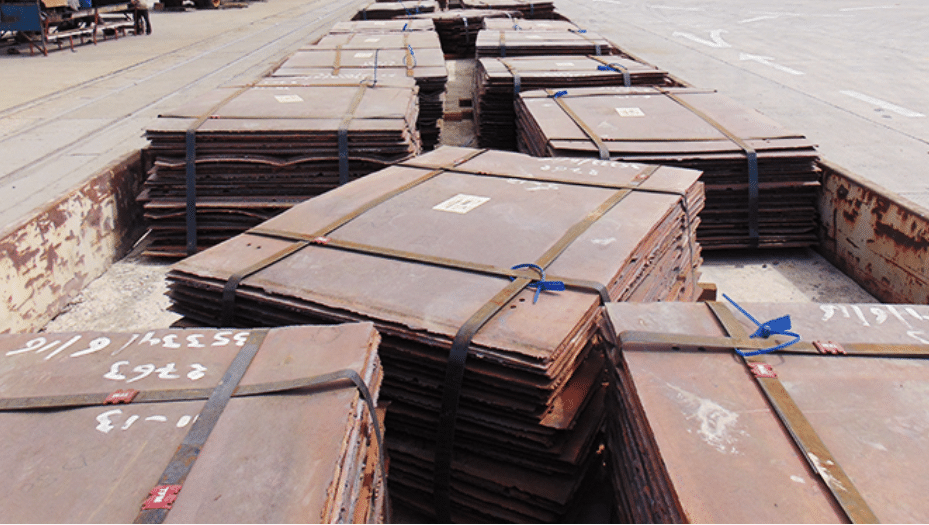


Zambia is confronting a considerable logistical challenge as it anticipates an increase in copper production to three million tonnes annually by the year 2031, a significant rise from nearly one million tonnes produced currently. Meeting this ambitious target will necessitate a thorough and strategic overhaul of existing logistics and infrastructure to ensure that the necessary framework is in place for efficient transportation.
One of the critical barriers to achieving this goal is the current isolation within the mining sector and the transport planning process. The disconnect between these two areas needs to be addressed comprehensively to not only meet production demands but to also ensure that the entire supply chain is prepared and optimized for increased output. For every tonne of copper mined, there are substantial logistical requirements for transporting essential ancillary materials, including lime and sulphur. This leads to an overall logistics demand that could reach as high as 10 to 12 million tonnes when considering these supplementary commodities.

To tackle this escalating demand, rail transport must be given a more prominent role in the logistics landscape. The current excessive reliance on road freight poses bottlenecks and inefficiencies that can be alleviated by enhancing rail infrastructure. This calls for significant investment from both the government and private rail operators in rail infrastructure and services.

Moreover, the Tanzania-Zambia Railway Authority (TAZARA) is in the process of undergoing a revitalization. Central to this revitalization is the establishment of a new training center and an operations control center to enhance the efficacy of its logistical operations. Streamlining operational processes is vital to handle the anticipated increase in freight volumes efficiently.
An intermodal logistics strategy that effectively integrates road and rail systems will be essential for maximizing efficiency and minimizing costs. To prepare adequately for the expected surge in production, timely investments in transport capacity are necessary. However, obtaining financing for such initiatives may prove challenging, especially if funding decisions are made solely based on projections rather than tangible planning and groundwork. The urgency for action is evident as Zambia gears up to meet its future copper production goals and related logistical demands.



